Written by Freddy Fernandez, Class of ’24
Social Media has had a significant impact on our daily lives from gathering information to communicating in an instant. However, it has also been designed to keep its users engaged leading

us to spend more time on our phones.
Platforms like Instagram, Facebook, TikTok, and YouTube have all incorporated short video formats into an algorithm that incites scrolling, and many procrastinate, waste time and even lose sleep.
Luke Amoakoh, a student at Saint Peter’s University says,
“With Tik Tok scrolling is kinda of the point, when I first got it in 2020 I could spend more than an hour on it when I got to my for you page. But now, I could spend 30 minutes and if I’m relaxed enough, I don’t realize how much time I’m actually wasting
Luke added that although social media hasn’t affected his sleep, it still has conflicted with his ability to do work at times going through YouTube or Tiktok for entertainiment.
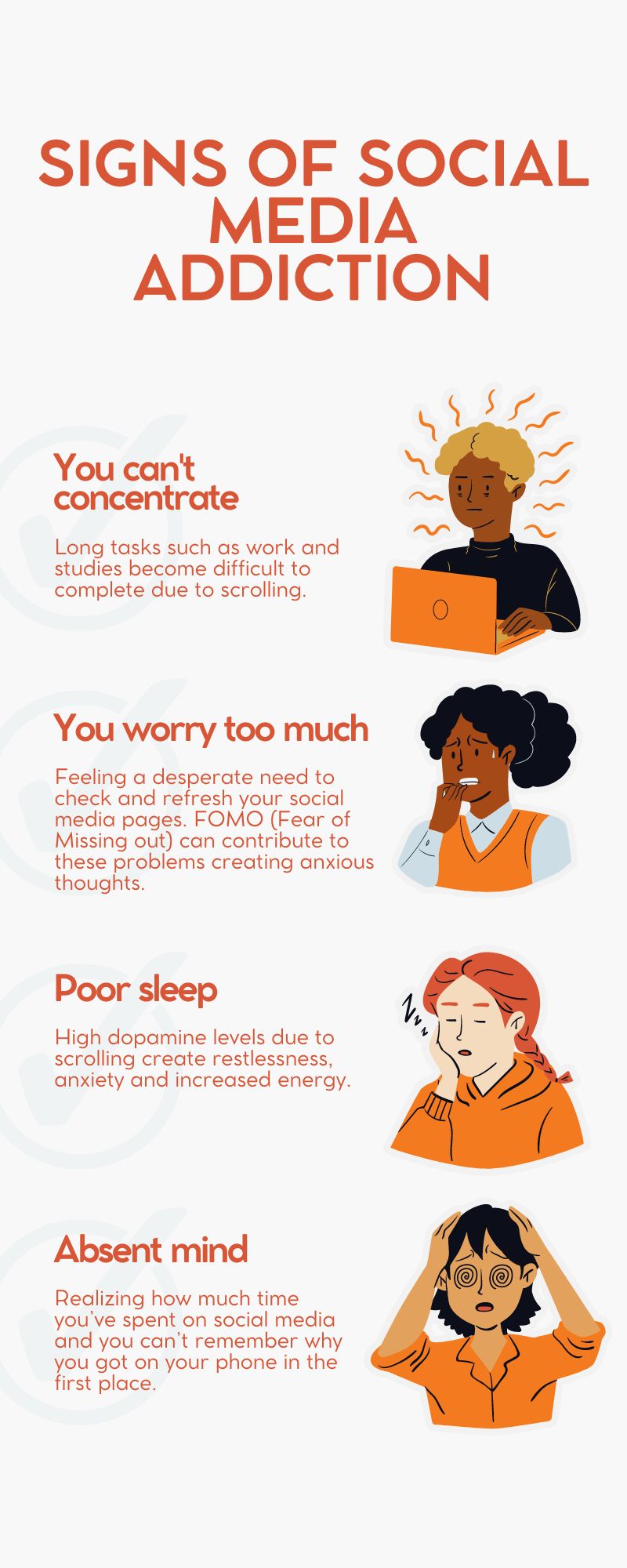
This type of scrolling is referred to as “Doomscrolling”, and according to psychotherapist and coach Tess Brigham, “Doomscrolling” is mindlessly scrolling through negative news articles, social media posts, or other content-sharing platforms.
According to TimeOfIndia Social Media addiction can affect daily life leaving you with restlessness, lack of focus, and anxiety. Scrolling through our phones produces the “feel good” chemical called dopamine which activates the brain’s reward center.
Teens are the especially vulnureable to social media addiction as DeAngelis mentions that instant gratification can rewire a young kid’s brain leading to obssessive, compulsive, and addictive behaviors.
Social media can be a great tool but we have to be more mindful of how we use it at times. Spending less time on our phones could be beneficial to many.
 The Dirt on Jersey City