Written by Emily Avila
When scrolling through TikTok, you are likely to come across dozens of videos hashtagged with #tiktokmademebuyit or large shopping “hauls,” in which influencers spend half of their paychecks on loads of unnecessary items just for the “aesthetic” of purchasing the latest trends.
Platforms such as TikTok, whose primary function is to entertain their users, have completely changed the way we consume. Using its growing popularity to go beyond simple dance videos, it now persuades its millions of users to buy into things they don’t need by portraying them as necessities or stuff “you can’t live without” to feed their FOMO (fear of missing out).
It’s why every other video on your fyp feels like a constant slew of ads, from the less obvious blind box unboxings to the aggressively obvious QVC-style lives trying to sell you a knockoff keychain. And, with TikTok’s integration of its TikTok shop feature, allowing its users to buy directly from the app, its nonstop consumerism and overconsumption have only worsened.
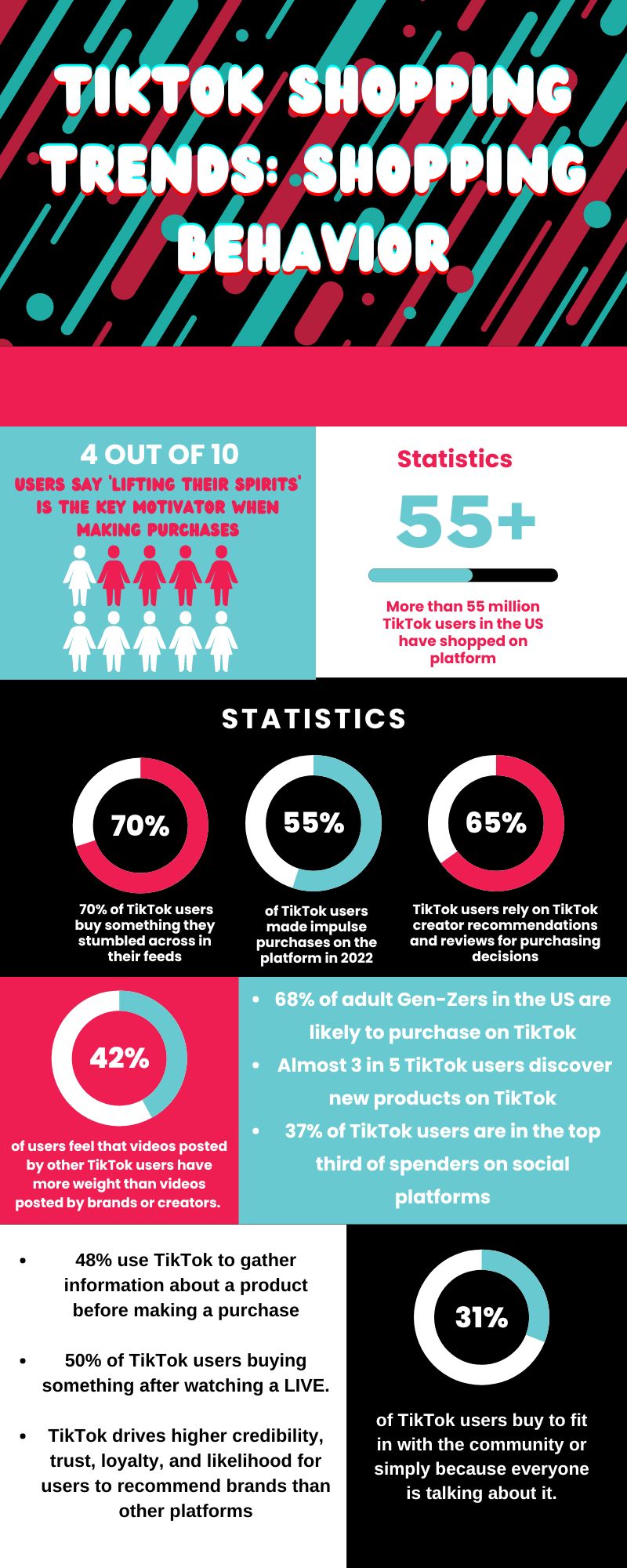
Since its integration in September 2023, more than 55 million users have bought from the platform both through the shop and through links, with 65% of TikTok users saying they base their purchasing decisions on online reviews and creator recommendations they see on the platform.
Candace Regis, a stylist at Supercuts, said that the low prices influence them to buy from online stores like Shien and TikTok, as well as the influence of consumer advertisements.
“If I keep seeing a product on my FYP, it makes me more tempted to buy it, if I was already considering it,” said Regis.
The issue of consumerism and overconsumption is not new; for years, people have always been influenced to buy things that are popular one minute only to end up at some second-hand store the next. Just look at how oversaturated thrift stores have gotten from the dozens of Shein and other fast fashion trends that never stuck.
Influencers and creators have turned overconsumption into an aesthetic. From the booktokers and their libraries filled to the brim with novels to the makeup gurus who constantly make you feel you need to buy the latest lip oil to be in the loop, we as consumers watch as these people flaunt their wealth and believe that to be like them, we need to buy what they have.
Loretta Graceffo, a Saint Peter’s alumni and assistant editor at Turnout, said that a huge element of social media is the oversaturation and novelty of certain trends. It’s popular on social media to do haul videos where you buy a ton of new stuff and show it off and it’s now become normalized for people to buy tons of stuff rather than use the things they already have at home.
“I feel like it’s kind of what we’re all programmed to fall into. I think it’s very normal in today’s society with fast fashion for people to view objects, specifically clothing, as very disposable…we’re so far away from that reality that a lot of time people will literally buy something to wear out and then maybe wear it like two times and then throw it away,” said Graceffo.
The reason TikTok has so many of its users susceptible to these obvious tactics of consumerism is due to its creator marketing. Many people, particularly Gen Z, are skeptical of popular influencers when they promote a product, as they can’t tell if the product is worth the money or not if they are being told by someone who gets paid to say it is.
Because of this, more than 42% of users listen to other users, particularly those without large influencer platforms, or through comment sections and reviews for more authentic opinions that are not influenced by a check.
“ I got a lot of scented body oils and soaps from TikTok and honestly, the comments and reviews are what I always check,” said Alexander Franco, Factory Manager at Carlos Bakery. “And if the products have buyers that make videos on them and they’re not sponsored or have low views.”

As people chase the euphoria that comes with buying something online, just being able to purchase something with the click of a button and have it on their doorstep in less than a week fulfills this gratification of spending, and Tiktok has only made this easier with its one-stop shop that sells almost anything you could need, from walking treadmills to body oils, at the lowest of prices.
But as people continue to buy into these trends and the convenience of having one app for all their needs, many don’t stop to realize the damage this behavior has done to the environment and their wallets.
 The Dirt on Jersey City